
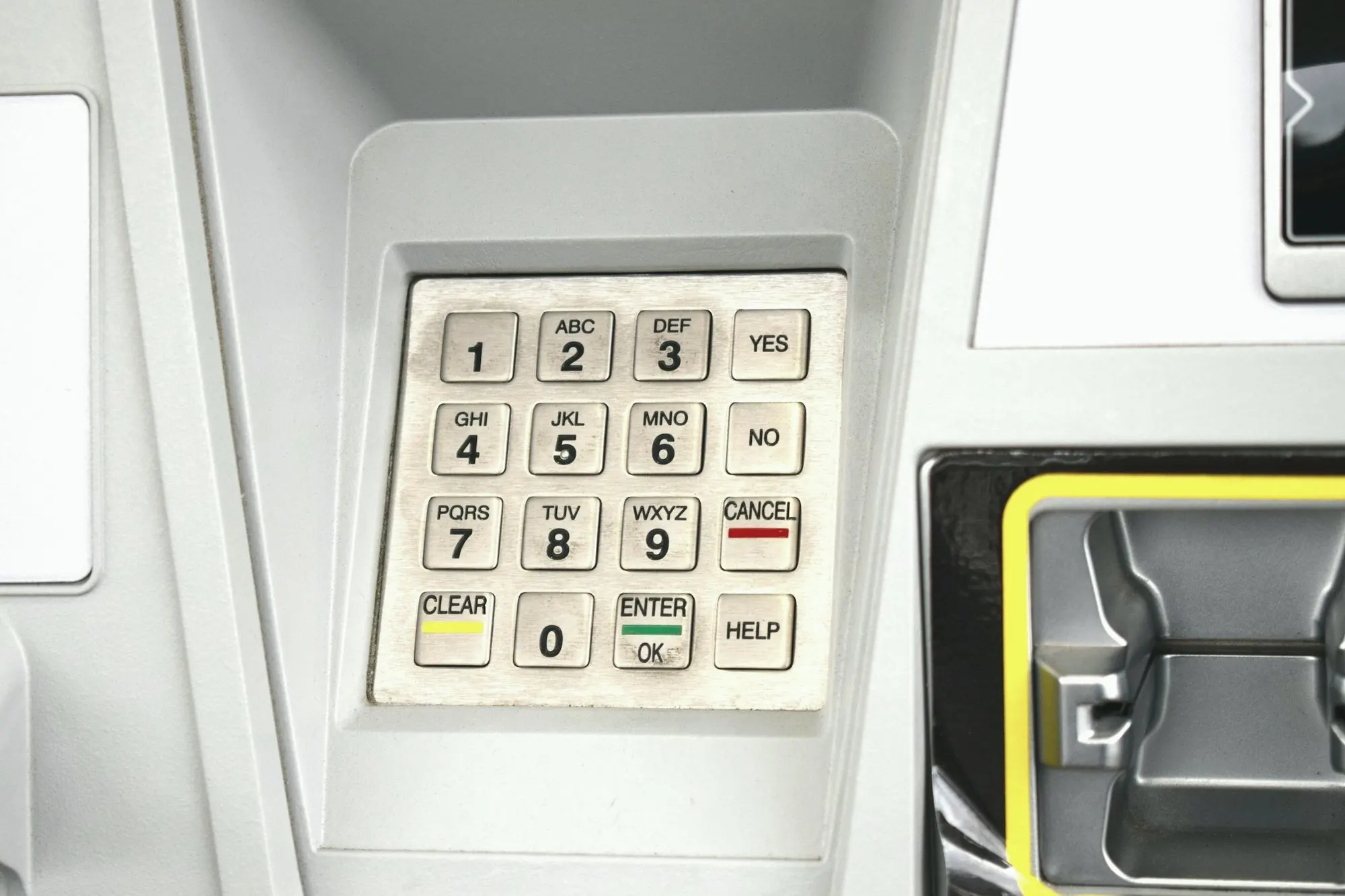
“Cashless ATM” sounds like a contradiction, and in a way it is. It’s a card terminal that sits on a dispensary counter and records your purchase as if you’d withdrawn cash from an ATM, even though no cash ever comes out. For years it was one of the most common ways dispensaries let customers pay with a debit card, and it’s still something shoppers run into.
This explainer covers what a cashless ATM is, how it works for the customer and the store, why the total gets rounded up, and how it compares with the two alternatives most stores use now: PIN debit and a real in-store ATM. If you’re an owner looking to replace one, our guide to cashless ATM alternatives goes deeper on the switch.
This is general information, not legal advice.
What a cashless ATM is
A cashless ATM, sometimes called a point-of-banking or POB terminal, looks like an ordinary card reader. The difference is in how the transaction is recorded:
- The customer inserts or taps a debit card and enters a PIN.
- The terminal sends the transaction to the bank as an ATM-style cash withdrawal, not a purchase.
- No cash is dispensed. The “withdrawn” amount pays for the order.
- Because withdrawals come in even amounts, the total is usually rounded up, and the difference is handed back as change.
- The customer typically pays a flat fee, similar to an ATM fee.
The name is apt: it behaves like an ATM on paper, but without the cash.
Why dispensaries used them
The appeal was simple. Cannabis is still federally controlled, and the major card networks don’t allow cannabis purchases to be processed as ordinary card sales. A terminal that recorded the sale as a cash withdrawal let stores take debit cards quickly, with little setup, and customers liked not needing cash.
Why so many were shut down
The trouble is that the transaction isn’t what it says it is. Card networks have taken the position that recording a retail purchase as an ATM withdrawal misrepresents it, and they’ve acted on that repeatedly. When a network or bank cuts off a program, every store using it can lose card payments at once, sometimes overnight and sometimes with settlement money still in transit. Shoppers searching “cashless ATM outages” and specific program names are usually living through one of those shutdowns.
Customers feel the other costs: a rounded-up total, a flat fee on a small purchase, and change handed back in cash or store credit.
Cashless ATM vs. PIN debit vs. a real ATM
| Cashless ATM | PIN debit | In-store ATM | |
|---|---|---|---|
| What the customer does | Taps or inserts a debit card at the counter, enters a PIN | Pays with a debit card at the counter, usually with a PIN | Withdraws real cash in the lobby, then pays cash |
| How it’s recorded | As an ATM withdrawal | As a debit card purchase | As a real ATM withdrawal |
| Rounding | Usually rounded up to an even amount | Charged the exact total | Customer chooses the amount |
| Customer fee | Often a flat fee | May have a small fee, shown first | Convenience fee shown on screen before confirming |
| Main risk for the store | Programs have been shut down repeatedly | Depends on how the program is structured; ask your provider | The machine needs loading and servicing |
The two alternatives solve the same problem in different ways. PIN debit keeps the card payment but records it honestly as a purchase; the structure behind the program matters, so ask any provider to explain it in writing. A real ATM keeps the sale itself as a cash sale, which is why many owners treat it as the steadiest backup.
Most stores end up with both: debit at the counter for customers who want to pay by card, and an ATM for everyone who prefers cash or whose card doesn’t work.
What it means for shoppers
If you tap your card at a dispensary and the total comes out to an even number, you may be using a cashless ATM. It’s worth checking:
- what fee you’re paying and whether it was shown before you confirmed;
- how the rounded-up difference is returned to you;
- what the charge will look like on your statement.
For a broader look at paying at a dispensary, see do dispensaries take credit cards?
What it means for owners
If your store relies on a cashless ATM, the question isn’t whether it works today but what happens the day it stops. A few practical steps:
- Ask your provider how the transaction is recorded. If the answer is “as a withdrawal,” you’re on a cashless ATM.
- Add a backup that doesn’t depend on the same structure. An in-store ATM keeps cash sales going if card payments stop.
- Look at properly structured debit. See our guide, do dispensaries take debit cards?, for what to ask a debit provider.
- Tell customers what’s changing and post any fee at the counter.
How Sprout fits in
Sprout isn’t a cashless ATM provider. We set up debit card processing for dispensaries and explain in writing how transactions are processed and what they cost before you sign. We also place fully serviced dispensary ATMs at no cost to your store: we supply the machine, installation, cash, connectivity, maintenance and repairs, and customers pay a convenience fee shown on screen before they confirm. Read our guide to dispensary ATMs, compare cannabis payment processing options, or request a dispensary ATM.
Sources
- U.S. Department of Justice, order placing FDA-approved and state-licensed medical marijuana products in Schedule III (April 23, 2026)
Questions people also ask
How does a cashless ATM work?
The customer inserts or taps a debit card at a terminal on the counter and enters a PIN. Instead of a purchase, the terminal records an ATM-style cash withdrawal, usually rounded up to an even amount. No cash comes out; the “withdrawal” pays for the order and any difference is given back as change or store credit.
Why do dispensaries round up your total on a cashless ATM?
Because the transaction is recorded as a cash withdrawal, and withdrawals are made in even amounts, like a street ATM that only dispenses $20 bills. The store then hands back the difference as change. If you’re charged a rounded amount, ask how the difference is returned.
Are cashless ATMs allowed?
Card networks have said that recording a purchase as a cash withdrawal misrepresents the transaction, and many cashless ATM programs have been shut down as a result, sometimes overnight. That’s why many dispensaries have moved to properly structured debit and real ATMs. This is general information, not legal advice.
What is the difference between a cashless ATM and PIN debit?
With PIN debit, the charge is processed as what it is: a debit card payment for a purchase. With a cashless ATM, the same card payment is recorded as a cash withdrawal. The customer experience can look similar, but how the transaction is categorized is different, and that difference is what card networks object to.